
The Ways We Connect

Communication is the foundation of any strong relationship, but not everyone expresses themselves in the same way. Understanding different communication styles can bridge gaps between friends, family members, and colleagues. Some people are direct and value efficiency, while others prefer a more collaborative and empathetic approach. By recognizing these differences, we can adapt our own methods to ensure our messages are received as intended.
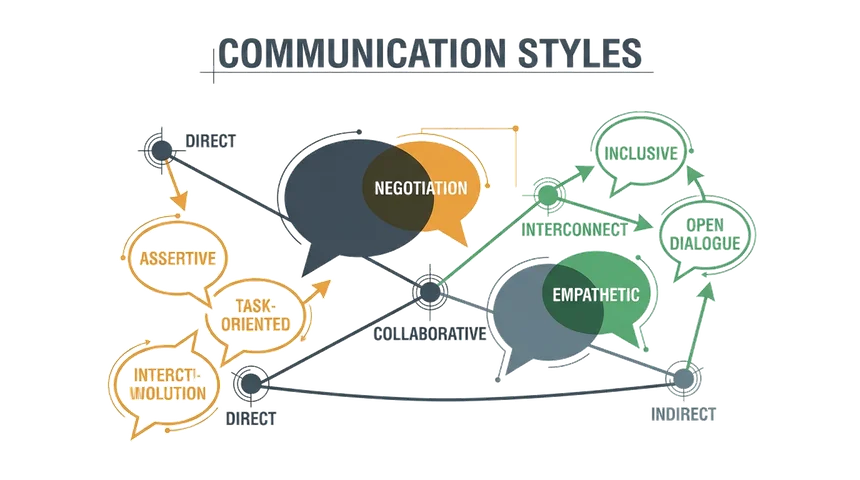
Different Communication Styles

This awareness reduces misunderstandings and fosters an environment of mutual respect. Here, we break down the most common ways people interact and share practical ways to navigate conversations with clarity and confidence.
Active Listening

The Power of Listening

Listening isn't just waiting for your turn to speak. It's about truly absorbing the underlying meaning of what the other person is expressing.
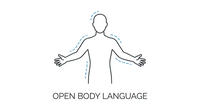
Body Language

Nonverbal Communication

More than half of our messages are delivered through gestures, eye contact, and posture. Paying attention to these cues bridges the gap between words and true intent.

Three Key Styles

Each of us tends toward a particular way of communicating. Recognise your style — and find the key to mutual understanding.

Direct Style

Direct communication values clarity and efficiency. People with this style speak plainly and to the point, avoiding ambiguity. They appreciate concise, straightforward answers and respect others' time.

Empathic Style

Empathic communication centres on feelings and relationships. These individuals listen attentively, read the emotional mood, and strive to create a safe and supportive space for open dialogue.

Analytical Style

Analytical communication relies on facts, data, and logic. People with this style need to understand the details and context before drawing conclusions or formulating a response.

Adaptive Communication

The most effective communicators are not locked into a single style — they shift flexibly depending on the situation and the person they are speaking with. This is not manipulation; it is genuine empathy: seeing the individual in front of you and speaking in a language that resonates with them.

Recognising your own style is the first step. The second is learning to notice the style of others. It is precisely in the space between two styles that true understanding is born — not where one person adapts to the other, but where both move toward each other.

Developing communicative flexibility is a skill that can be practised every day. Every conversation is an opportunity to understand another person a little more deeply and to make the connection between you a little stronger.